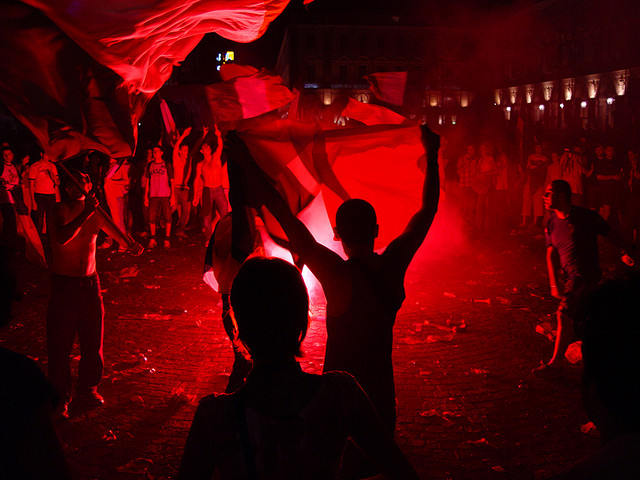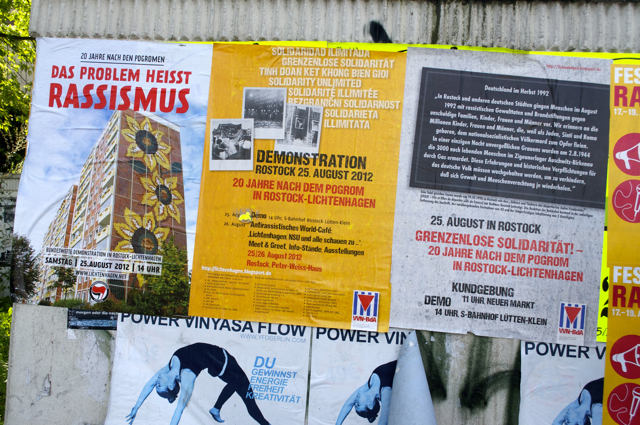
August 22nd marks the twentieth anniversary of the Rostock riots. Targeting Roma and Vietnamese migrants, the two days of violence that followed are considered amongst the worst race riots to hit post-war Germany. Many activists contend that the upheaval helped move the country to the right on questions concerning multiculturalism and immigration. (More…)
News feed
Not long after 9/11, San Francisco’s best record store began stocking up on reissues of Turkish psychedelia. The third wave of musical imports from the Middle East taken up by US hipsters (beginning with their adoption of Ofra Haza in the mid-1980s,) the timing was entirely appropriate. Amidst the wreckage of the World Trade Center, Americans were finding themselves drawn to the sounds of the Islamic New York. (More…)
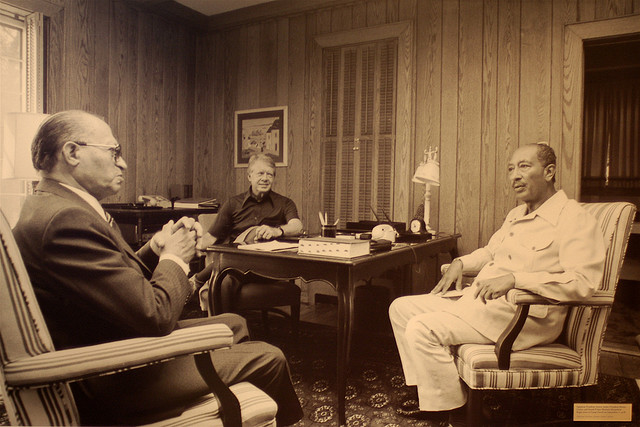
Shakespeare would be overwhelmed. When the history of the 21st century is written, the tragedy that befell the Middle East at the start of the Millennium will be judged unprecedented. A conflict that has raged since the births of Zionism and the Palestinian national movement could have been mitigated. Unfortunately, fear and short-sighted leadership undermined that hope. (More…)
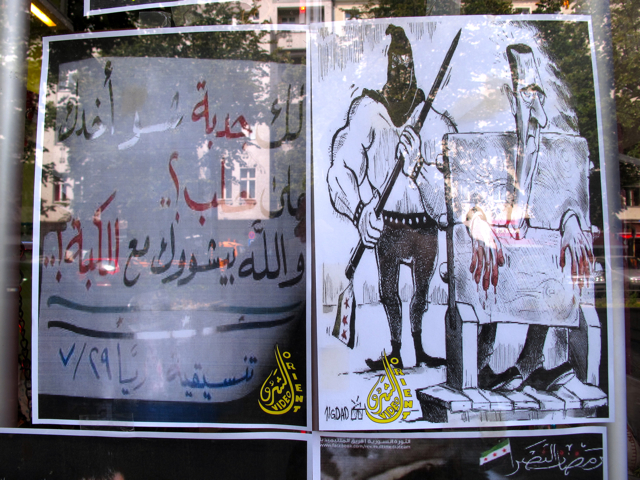
The Syrian civil war has caused an explosion of political graffiti, cartoons, and flyers in the country’s many Diasporas. The following examples, which contain many Syrian slang words, were photographed in Berlin last month. They give an impression of increased bitterness and radicalization directed against an autocrat who, little over a year ago, was said to be unaffected by the Arab Spring. (More…)
Silvio Berlusconi isn’t known to be a Black Sabbath fan. A recording artist in his own right, the musical preferences of the Milanese media magnate lean more towards cruise ship favorites like “What’s New Pussycat?” than they do “Iron Man.” Not that it’s unreasonable to conjecture. Particularly following Il Cavaliere’s infamous flashing of the corna (horns) behind the head of Spain’s foreign minister, during a 2002 photo op. (More…)
You Can’t Be President, by Harper’s publisher John R. MacArthur is an epistolary analysis of exactly what that electoral process entails. The first line of the first chapter sets the tone: “Despite what you learn in school of in Junior Scholastic magazine, you can’t be President.” (More…)
For a world without borders and jails.
As a generation that only knows the domination of capital, every day we roam the landscapes of a world that constantly declares its own justification. While the ubiquity of the commodity seems to repress poverty (as lack of the means of survival,) misery spreads (as dispossession of our dreams.) (More…)
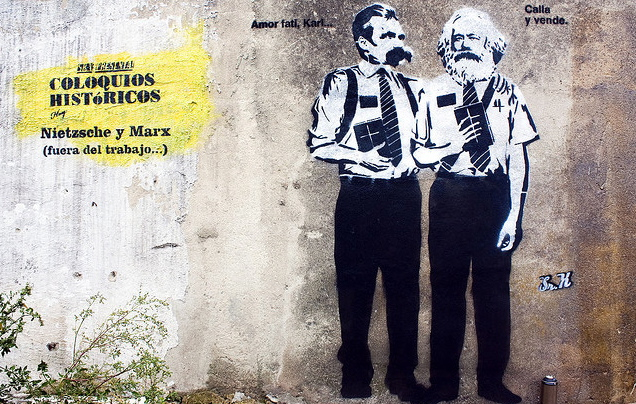
It took Michel Foucault to reinsert Nietzsche into leftist analyses of power. Although the German philosopher’s influence has been felt among Marxist, anarchist, and anti-market thinkers, his influence is rarely accorded its due. Like pornography, Nietzsche is often hustled in through the backdoor, and with a vague sense of shame. (More…)
On August 3rd, Israel’s Channel 10 News released poll results that shocked Israelis. Conducted on July 29 and August 2, the results suggested a major loss in public confidence for Prime Minister Benjamin Netanyahu’s governing party. Center-left daily Ha’aretz immediately championed this line, contending that it was a sign Israelis had finally become alienated by Bibi’s policies. (More…)
Documentaries featured prominently at this year’s Jerusalem Film Festival. The two award winners, Emad Burnat and Guy Davidi’s Five Broken Cameras, and Ran Tal’s The Garden of Eden, were decidedly deserving. Similarly contending with the Palestinian-Israeli conflict, they could not be more different. Not just in terms of perspective, but in the correspondence between their respective production values, and their subject matter. (More…)
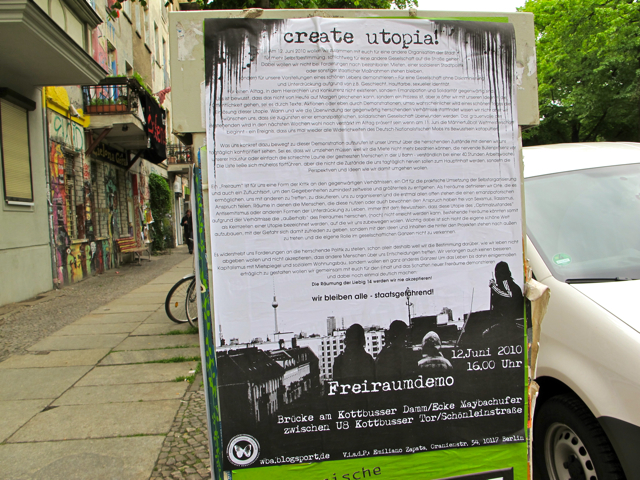
On June 12th 2010 we want to hit the streets with you to call for a different way of organizing the city, one with more self-determination, and for a different society as well. And we don’t want to stay stuck on demands for affordable rents, a “social” city politics or other State-sponsored measures, but rather wish to demonstrate for our vision of a beautiful life (More…)
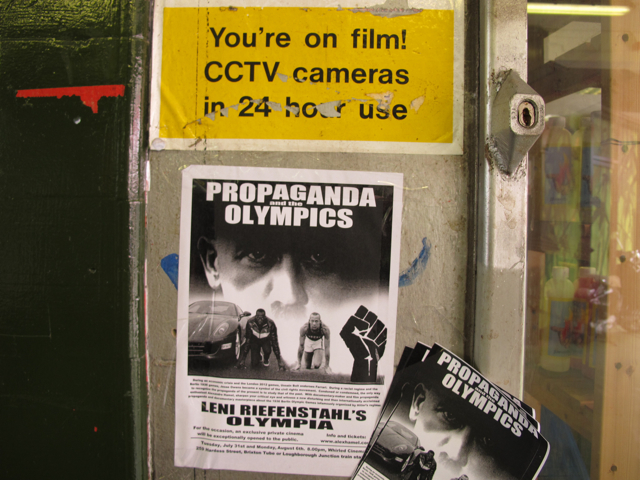
“Sport has established itself as the spearhead of an army in battle order, which crushes anyone who is stupefied by it,” writes Marc Perelman in Barbaric Sport: A Global Plague. Fittingly, for a project rooted in Adorno and the France of May 1968, Perelman’s concern is with sports as a mass phenomenon, one he locates at the core of capitalist society. (More…)